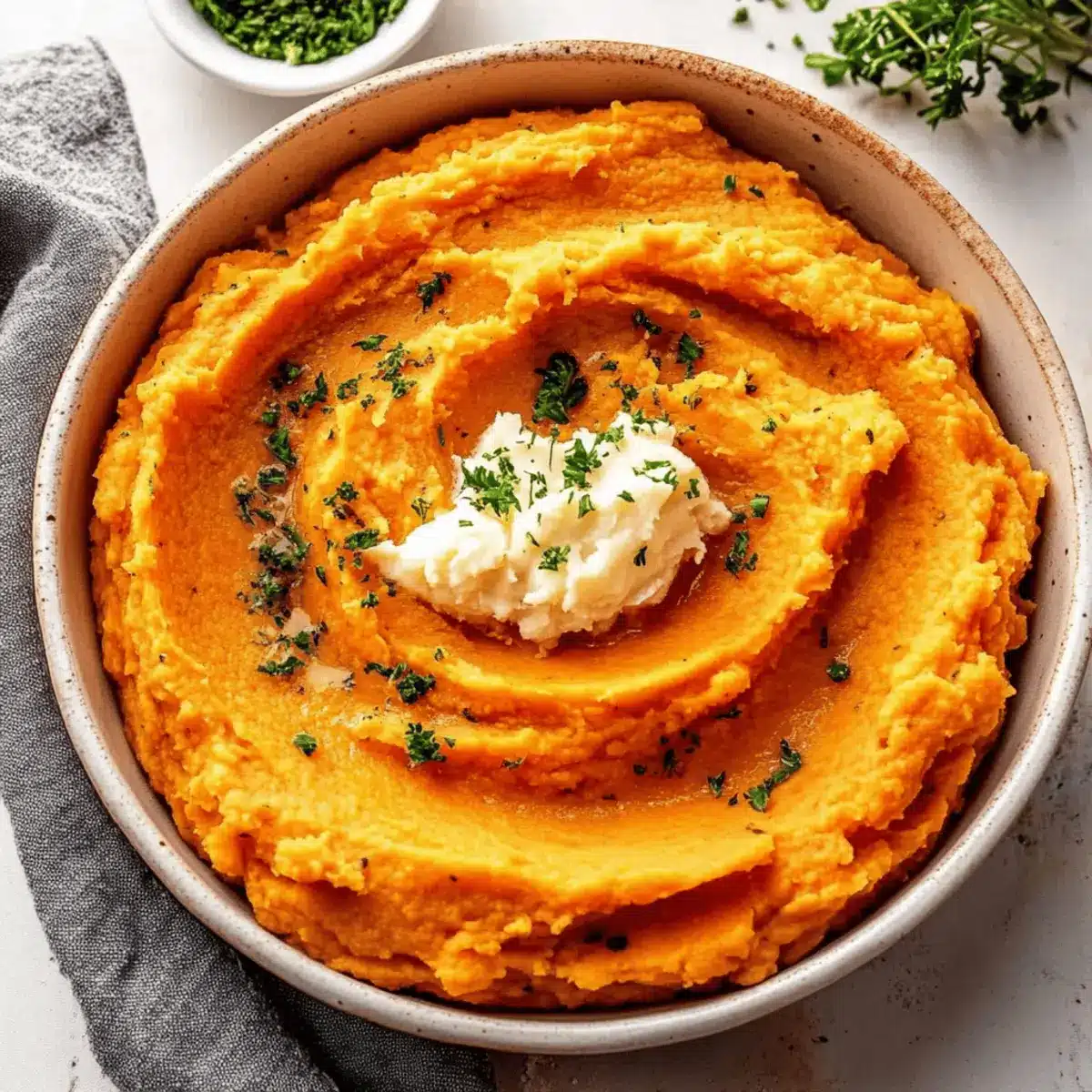
Simple Ingredients for Rich Flavor: Your Creamy Sweet Potato Guide
In the realm of comfort food, few dishes strike the perfect balance between simple preparation and profound satisfaction quite like creamy mashed sweet potatoes. Forget the traditional potato mash for a moment; sweet potatoes offer a naturally sweet, vibrant, and incredibly versatile alternative that can elevate any meal. Whether you're looking for a delightful side dish to complement a weeknight dinner, a standout offering for your holiday table, or even a luscious topping for savory casseroles and cottage pie, this guide will walk you through creating a perfectly smooth, buttery, and utterly irresistible sweet potato mash.
What makes this dish so appealing is its reliance on inherently delicious produce and a handful of pantry staples. There's no need for overly complicated techniques or exotic ingredients when nature has already done most of the heavy lifting. The result is a velvety smooth mash with a scrumptious buttery flavor, enhanced by touches of caramel sweetness and a luxurious finish. It’s the perfect companion for anything from simple breaded chicken cutlets to elegant baked fish, promising to be enjoyed by all.
The Magic Behind Truly Creamy Mashed Sweet Potatoes
The secret to achieving that coveted rich flavor and luxurious texture in your creamy mashed sweet potatoes lies in a thoughtful combination of simple yet powerful ingredients. While sweet potatoes are stars in their own right, these additions transform them into a culinary masterpiece:
- Salted Butter: More than just a lubricant for mashing, butter infuses the potatoes with a profound richness and a delectable savory note. Using salted butter is a smart move, as it not only adds creaminess but also enhances the overall flavor profile. If you only have unsalted butter, simply add a pinch more salt later to taste.
- Brown Sugar (or Maple Syrup/Honey): This is where the "sweet" in sweet potatoes truly shines. A touch of brown sugar introduces deep caramel notes, complementing the natural sugars of the potato without making the dish overly saccharine. Alternatives like maple syrup or honey can also be used, lending their unique nuanced sweetness and contributing to a slightly thicker consistency.
- Heavy Cream (or Whole Milk/Half-and-Half): The cornerstone of creaminess, heavy cream is added gradually to achieve that desired velvety smooth finish. Its higher fat content creates a truly indulgent texture. For a slightly lighter version, whole milk or half-and-half can be substituted, offering a similar smoothness with a little less richness.
It's the synergy of these components – the natural earthiness of the sweet potato, the richness of butter, the deep sweetness of brown sugar, and the silky texture of cream – that creates a harmonious and deeply satisfying dish.
Choosing Your Perfect Sweet Potato
Before you even begin cooking, selecting the right sweet potatoes is key to a superior mash. First, let's clear up a common misconception: what you typically find labeled as "yams" in US grocery stores are almost always sweet potatoes. True yams are a drier, starchier tuber, far less common in American markets.
Sweet potatoes themselves come in many varieties, offering a spectrum of colors and subtle flavor differences:
- Orange-fleshed (e.g., Beauregard, Jewel): These are the most common and beloved varieties, known for their vibrant color, moist texture, and naturally sweet flavor. They mash beautifully and are ideal for this creamy recipe.
- Yellow-fleshed (e.g., Hannah): Often a bit drier and less sweet than their orange counterparts, they offer a more subtle flavor profile.
- Purple-fleshed (e.g., Okinawan, Stokes Purple): These boast a stunning hue and often have a denser, sometimes nuttier texture. While beautiful, they can be a bit trickier to get truly "creamy" and may require more liquid.
When selecting your sweet potatoes, look for ones with tight, unblemished skins, free from bruises or soft spots. Opt for small to mid-sized varieties, as larger sweet potatoes tend to be more starchy and can sometimes be stringier, making them less ideal for a smooth mash.
Mastering the Cook: Boiling, Roasting, or Microwaving?
One of the beauties of making creamy mashed sweet potatoes is the flexibility in preparation methods. Each technique offers a slightly different outcome, allowing you to choose based on your desired flavor profile and available time. Regardless of the method, the goal is always to cook the potatoes until they are "fork-tender" – soft enough that a fork glides through with minimal resistance.
1. The Boiling Method (Classic & Quick)
Boiling is a straightforward and efficient way to cook sweet potatoes for mashing, especially when you're pressed for time.
- Preparation: Peel the sweet potatoes and cut them into evenly-sized chunks, roughly 2 inches thick. Consistency in size ensures even cooking. Transfer them to a large stockpot and cover with cold water, ensuring the water line sits about 1 inch above the potatoes. Add a tablespoon of salt to the water – this seasons the potatoes from the inside out.
- Process: Bring the water to a rolling boil over high heat, then reduce the heat to medium-high (or whatever temperature maintains a gentle boil). Continue cooking for about 10-12 minutes.
- Key Tip: Be vigilant not to overcook! Overcooked sweet potatoes can become waterlogged, losing their vibrant color and diluting their flavor. Once fork-tender, drain them thoroughly in a colander. Allow them to sit for a few minutes, shaking occasionally, to ensure all excess water evaporates. This crucial step prevents a watery mash.
2. The Roasting Method (Deeper Flavor)
Roasting sweet potatoes before mashing them brings out a deeper, more concentrated sweetness and a hint of caramelization that's hard to achieve otherwise. This method adds a layer of complexity to your mash.
- Preparation: Peel and cut your sweet potatoes into even 2-inch chunks. Toss them with 2 tablespoons of olive oil, a generous pinch of salt, and freshly ground black pepper directly on a baking sheet. Ensure they are in a single layer to promote even roasting.
- Process: Roast in a preheated oven at 350°F (175°C) for 30 minutes. Then, turn the potatoes to ensure even browning and roast for another 15-20 minutes, or until they are tender enough to easily mash. The edges should be slightly caramelized.
- Benefit: This method yields a more complex flavor profile, with subtle nutty undertones and a richer sweetness due to the sugars caramelizing.
3. The Microwaving Method (Ultimate Convenience)
For ultimate speed and minimal cleanup, microwaving sweet potatoes is a fantastic option, especially for smaller batches or when you're cooking for one or two. The context highlights this as a 20-minute option for a large potato.
- Preparation: Wash the sweet potato(es) thoroughly. Prick the skin several times with a fork to allow steam to escape during cooking, preventing explosion. You can microwave them whole or cut them into large chunks for faster cooking.
- Process: Place the sweet potato(es) on a microwave-safe plate. Cook on high for 5-10 minutes for smaller potatoes, or up to 10-15 minutes (or even 20 for extra-large) for larger ones, flipping halfway through. The cooking time will vary greatly based on the potato's size and your microwave's wattage. They are done when easily pierced with a fork.
- Benefit: Unbeatable speed and convenience, making it an ideal choice for busy weeknights.
Each method delivers delicious results. For a detailed comparison and more in-depth tips on choosing the best cooking method for your needs, be sure to check out our guide on Easy Creamy Mashed Sweet Potatoes: Boil, Roast, or Microwave.
Crafting Your Creamy Masterpiece: The Mashing Process
Once your sweet potatoes are perfectly cooked and drained (if boiled), it's time to transform them into a smooth, creamy delight.
- Initial Mash: Transfer the hot, cooked sweet potatoes to a large mixing bowl. Immediately add the salted butter and brown sugar. The residual heat from the potatoes will help the butter melt quickly and the sugar dissolve, infusing the potatoes with their rich flavors.
- Choose Your Tool:
- Potato Masher: For a slightly rustic texture with a few small lumps, a sturdy potato masher works wonderfully.
- Potato Ricer: If you desire an absolutely silky smooth, restaurant-quality mash, a potato ricer is your best friend. Pressing the potatoes through the ricer eliminates all lumps.
- Electric Mixer: For effortless smoothness, an electric hand mixer can also be used, but be careful not to over-mix, which can sometimes make the potatoes gummy.
- Add Cream Gradually: Begin mashing the potatoes with the butter and brown sugar. Once partially mashed, start adding the heavy cream (or your chosen liquid) a little at a time. Mix until the cream is fully incorporated and the potatoes reach your desired consistency – from slightly chunky to exquisitely velvety smooth. Resist the urge to dump all the cream in at once; a gradual addition allows for better control.
- Season and Taste: This is a critical step! Taste the mashed sweet potatoes. Depending on the sweetness of your potatoes and the saltiness of your butter, you may need to add more salt to truly bring out the flavors. A pinch of black pepper can also add a nice subtle kick. Adjust seasonings until it's perfect.
For additional insights into perfecting that luxurious texture, our article on Velvety Smooth Mashed Sweet Potatoes: The Perfect Side Dish offers even more tips and tricks.
Elevating Your Creamy Mashed Sweet Potatoes: Flavor Variations & Serving Suggestions
While the classic recipe for creamy mashed sweet potatoes is a winner on its own, its versatility allows for exciting variations, catering to both sweet and savory palates.
Sweet Enhancements:
- Spices: A dash of cinnamon, nutmeg, or even a tiny pinch of ginger or allspice can add warmth and aromatic depth, particularly excellent for holiday meals.
- Citrus Zest: Grated orange zest offers a bright, fresh counterpoint to the sweetness.
- Vanilla Extract: A quarter teaspoon of pure vanilla extract can deepen the sweet notes and add a comforting aroma.
- Maple Pecan Crunch: Stir in toasted chopped pecans and a drizzle of maple syrup just before serving for added texture and flavor.
Savory Twists:
For a savory mash, simply omit the brown sugar and any sweet spices. Instead, consider these additions:
- Garlic & Herbs: Roast a head of garlic with the sweet potatoes, then mash it in. Or, stir in fresh chopped herbs like rosemary, thyme, or sage.
- Cheese: A quarter cup of grated Parmesan cheese, as suggested by one of our reference recipes, adds a wonderful salty, umami kick. Sharp cheddar or smoked gouda could also work beautifully.
- Spice & Heat: A pinch of smoked paprika, a dash of cayenne pepper, or a swirl of chili powder can add an exciting dimension.
- Caramelized Onion: Fold in some gently caramelized onions for a profound savory sweetness.
Serving Suggestions:
The beauty of this dish lies in its adaptability. Creamy mashed sweet potatoes are an outstanding side dish for almost any protein:
- Roasted chicken or turkey
- Baked ham or pork tenderloin
- Pan-seared fish or shrimp
- Hearty beef or lamb stews
Beyond being a simple side, they can be used creatively:
- As a luxurious topping for shepherd's pie or cottage pie, replacing or complementing regular mashed potatoes.
- Served alongside breakfast sausages or bacon for a unique brunch experience.
- As a base for loaded sweet potato bowls with greens, nuts, and a drizzle of dressing.
Conclusion
From their vibrant color to their naturally sweet flavor and incredibly versatile nature, creamy mashed sweet potatoes are a truly delightful addition to any cook's repertoire. With just a few simple ingredients and your choice of cooking method, you can transform this humble root vegetable into a rich, velvety smooth dish that pleases every palate. Whether you prefer a classic sweet preparation or an adventurous savory twist, this guide provides all the tools you need to create a truly memorable meal. So go ahead, experiment, and enjoy the delicious journey of making your own perfectly mashed sweet potatoes!
