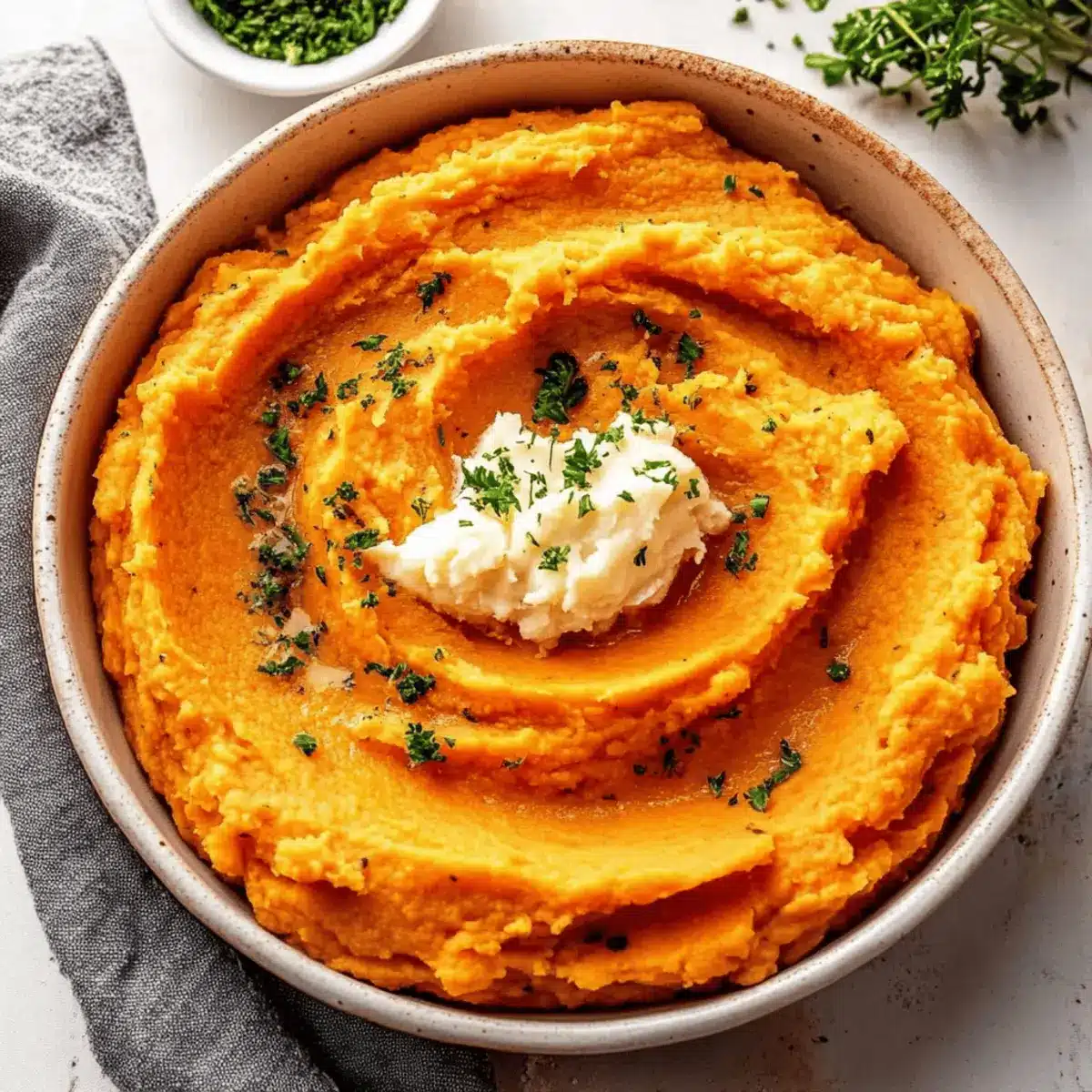
Step aside, traditional mashed potatoes! While a beloved classic, there's a certain magic that happens when you swap in the naturally vibrant and nutrient-rich sweet potato. We're talking about Easy Creamy Mashed Sweet Potatoes – a side dish so irresistibly smooth and flavorful, it threatens to steal the show from any main course. Imagine a luscious, velvety texture, infused with rich, buttery notes and a hint of sweet caramel, all culminating in a dish that's both comforting and undeniably elegant. Perfect for weeknight dinners, holiday feasts, or even as a versatile topping for casseroles, these mashed sweet potatoes are a culinary revelation you won't want to miss.
Far from being a complicated gourmet endeavor, achieving this level of deliciousness is surprisingly straightforward. With just a few simple ingredients and techniques, you can transform humble sweet potatoes into a masterpiece. This article will guide you through everything you need to know, from selecting the perfect root to mastering the art of the mash, ensuring your next batch of creamy mashed sweet potatoes is nothing short of extraordinary.
The Secret to Velvety Smooth Perfection: Key Ingredients & Flavors
The beauty of creamy mashed sweet potatoes lies in their inherent simplicity, allowing the natural goodness of the ingredients to shine. You don't need an endless list of exotic items to create profound flavor; instead, it's about understanding how each component contributes to the overall profile and texture.
The Foundation: Sweet Potatoes
Naturally sweet and packed with vitamins, sweet potatoes are the star of this dish. Unlike their starchier white potato counterparts, sweet potatoes offer a unique earthy sweetness that requires minimal enhancement. There's a common misconception that sweet potatoes and yams are interchangeable, but they're distinctly different. What you typically find in US grocery stores labeled as "yams" are almost always sweet potatoes, characterized by their moist, orange flesh. True yams are starchier, drier, and harder to find. For the best mash, choose firm, small to medium-sized sweet potatoes with smooth, blemish-free skins. Larger potatoes tend to be starchier and can sometimes yield a less desirable texture.
The Creaminess Factor
To achieve that signature velvety smoothness, certain dairy elements are indispensable. Salted butter isn't just for flavor; its fat content emulsifies beautifully with the mashed potatoes, contributing a richness that's hard to replicate. The salt in the butter also helps balance the sweetness of the potatoes. Heavy cream is the gold standard for achieving a truly luxurious, silky texture, lending a decadent mouthfeel that makes every spoonful a delight. However, you can also use whole milk or half-and-half for a slightly lighter but still wonderfully creamy result. The key is to add it gradually, allowing you to control the consistency until it reaches your desired level of lusciousness.
Sweet & Savory Balance
While sweet potatoes are inherently sweet, a touch of additional sweetness can deepen their flavor profile. Brown sugar is a classic choice, imparting deep caramel notes that beautifully complement the potatoes' natural sugars. Maple syrup offers a slightly different, more nuanced sweetness with its own distinctive earthy undertones, while honey provides a rich, floral sweetness. For a warming aromatic touch, a dash of ground cinnamon is often added, enhancing the overall comfort factor of the dish. Some cooks also love a tiny pinch of nutmeg or allspice for extra depth. This delicate balance of sweet and savory is what makes creamy mashed sweet potatoes so versatile and universally appealing. For a deeper dive into ingredient choices, consider reading our article on Simple Ingredients for Rich Flavor: Your Creamy Sweet Potato Guide.
Mastering Your Mash: Boiling, Roasting, or Microwaving?
One of the most appealing aspects of making creamy mashed sweet potatoes is the flexibility in preparation. Each cooking method offers distinct advantages and subtly influences the final flavor and texture. Your choice depends on your preference, available time, and desired depth of flavor.
The Classic Boil Method
Boiling is perhaps the most common and quickest way to prepare sweet potatoes for mashing. The process involves cutting the sweet potatoes into even, 2-inch chunks, then placing them in a large pot with cold, salted water that covers them by about an inch. Bringing the water to a boil, then reducing it to a steady simmer, cooks the potatoes until they are fork-tender—typically in 10-12 minutes. The critical step here is to avoid overcooking. Overboiled sweet potatoes can become waterlogged, losing their vibrant color and resulting in a watery, less flavorful mash. Once tender, drain them thoroughly, letting them sit in the colander for a few minutes to ensure any excess moisture evaporates. This helps create a drier, more concentrated base for your creamy mash.
Roasting for Depth
For those seeking a richer, more caramelized flavor, roasting is an excellent option. Roasting the sweet potatoes before mashing brings out their natural sugars, imparting a deeper, more complex taste. To roast, simply toss your evenly-sized sweet potato chunks with a couple of tablespoons of olive oil, salt, and pepper. Spread them on a sheet pan and roast in a preheated oven at 350°F (175°C) for about 30 minutes, then flip and continue roasting for another 15-20 minutes, or until they are beautifully tender and slightly browned at the edges. This method results in a mash with a distinct, nutty sweetness that is truly sublime. As an added tip, lining your baking sheet with parchment paper makes cleanup a breeze.
The Speedy Microwave Approach
When time is of the essence, the microwave can be your best friend. This method is incredibly fast and convenient, especially for smaller batches or if you're making this as a last-minute addition to your meal. To microwave, pierce an extra-large sweet potato (or a couple of smaller ones) several times with a fork. Place it on a microwave-safe plate and cook on high for 5-8 minutes, flipping halfway, or until very tender. The exact time will vary based on your microwave's wattage and the size of the potato. Be cautious not to overcook, as this can make the potato tough in some spots. Once done, let it cool slightly before peeling and mashing. While it doesn't offer the deep caramelization of roasting, it delivers a perfectly cooked potato base quickly and efficiently. For detailed instructions on all these methods, check out Easy Creamy Mashed Sweet Potatoes: Boil, Roast, or Microwave.
From Root to Rhapsody: Crafting Your Perfect Mash
Once your sweet potatoes are perfectly cooked, the final steps are all about transforming them into that irresistible, creamy mashed sweet potatoes dish we've been dreaming of.
Selecting Your Sweet Potatoes
As mentioned, choose sweet potatoes with tight, unblemished skins. While orange-fleshed varieties (like Beauregard or Jewel) are most common and give a vibrant color, don't shy away from yellow or even purple varieties if you find them. Yellow sweet potatoes are generally less sweet and a bit starchier, while purple ones offer a dramatic hue and often a slightly nuttier flavor. Whichever you choose, ensure they feel firm and heavy for their size, indicating good moisture content. Avoid any with soft spots or sprouts.
The Mashing Process: Techniques for Smoothness
The key to a truly velvety mash is to work with the potatoes while they are still hot. Heat helps them absorb the butter and cream more effectively, resulting in a smoother, more homogenous texture. Transfer the hot, drained (or roasted/microwaved) sweet potatoes to a large bowl. Add your chosen fat first – typically salted butter. The heat from the potatoes will melt the butter, making it easier to incorporate. Next, add your brown sugar, maple syrup, or honey, along with any spices like cinnamon.
Now, it's time to mash! For the silkiest creamy mashed sweet potatoes, a potato ricer is your best friend. It forces the cooked potato through small holes, eliminating lumps and creating an incredibly airy, fine texture. If you don't have a ricer, a sturdy potato masher works perfectly well for a slightly more rustic, but still smooth, mash. Avoid using a food processor, as its blades can over-process the potatoes, breaking down their starches too much and resulting in a gummy, unpleasant texture.
Once mashed with butter and sugar, gradually mix in your heavy cream (or milk) a little at a time. This allows you to control the consistency precisely. Some prefer a thick, hearty mash, while others crave a looser, almost puréed texture. Taste as you go, and adjust seasonings as needed. You might want to add a pinch more salt to balance the sweetness, or a dash more cinnamon for extra warmth.
Elevating Your Dish: Creative Variations & Serving Suggestions
While classic creamy mashed sweet potatoes are a delight on their own, don't hesitate to experiment with variations to suit different tastes or occasions. Their versatility makes them an ideal canvas for culinary creativity.
Sweet vs. Savory: Two Delicious Paths
Traditionally, mashed sweet potatoes lean towards the sweeter side, making them a perfect accompaniment to rich meats like roasted turkey, ham, or pork. They also pair beautifully with simpler proteins like breaded chicken cutlets or baked chicken thighs, providing a vibrant contrast.
However, for a completely different profile, you can easily transform them into a savory dish. Omit the brown sugar, maple syrup, and cinnamon. Instead, stir in ingredients like:
- ¼ cup of grated Parmesan cheese
- A clove or two of minced garlic or ½ teaspoon of garlic powder
- Freshly chopped chives or parsley
- A pinch of smoked paprika for a smoky depth
- A swirl of sour cream or crème fraîche for tanginess
This savory version makes an excellent side for steaks, grilled fish, or as a luxurious topping for shepherd's pie or cottage pie, where its rich texture complements the hearty meat filling.
Beyond the Basics: Garnishes and Pairings
Presentation can elevate even the simplest dish. Here are a few ideas for garnishing and serving your creamy mashed sweet potatoes:
- Crunchy Toppings: Toasted pecans, candied walnuts, or crispy fried sage leaves add a delightful textural contrast.
- Fresh Herbs: A sprinkle of fresh parsley, chives, or a sprig of rosemary can add visual appeal and a fresh aromatic note.
- Aromatic Spices: A final dusting of cinnamon, nutmeg, or even a very light sprinkle of cayenne pepper for a subtle kick.
- Rich Drizzles: A swirl of melted butter, a drizzle of maple syrup (for the sweet version), or a dollop of sour cream or Greek yogurt.
Beyond being a standalone side, creamy mashed sweet potatoes also shine as a base for grain bowls, or even served with a fried egg for a unique breakfast or brunch experience. They can be made ahead of time and gently reheated, making them a fantastic option for meal prep or busy holiday cooking.
Conclusion
From their vibrant color to their unparalleled velvety texture and balanced sweet-savory flavor, creamy mashed sweet potatoes truly earn their title as the perfect side dish. Whether you choose to boil, roast, or microwave your way to tenderness, the simple addition of butter, cream, and a touch of seasoning transforms this humble root vegetable into a dish that's both comforting and elegant. Easy to make and incredibly versatile, they’re a fantastic alternative to traditional mashed potatoes that will delight your taste buds and impress your guests, making any meal feel a little more special. So next time you're planning your menu, remember the delightful potential of these velvety smooth sweet potato marvels.
